Can Gallstones Go Away on Their Own? Facts You Need to Know - Insights by Dr. Ranajoy Dutta

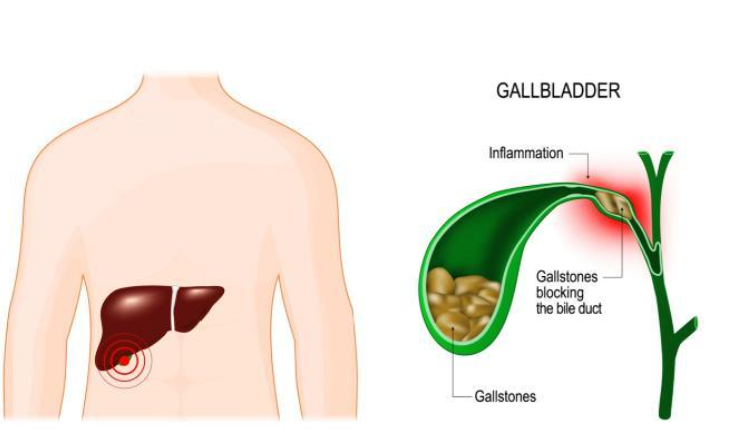
Gallstones are hard lumps that form in the gallbladder. This occurs when substances in bile, such as cholesterol or pigments, clump together. Once they are created, the body rarely breaks them down naturally.
In very rare situations, small stones less than 5 mm may pass into your intestines. They leave the body without causing pain. But for larger stones or several stones, natural disappearance is extremely unlikely.
Some people live with “silent” gallstones for years without symptoms. But even these can suddenly cause pain or complications.
What Happens If Gallstones Don’t Go Away?
Gallstones that remain can:
- Causes sudden, sharp upper abdominal pain (biliary colic)
- Trigger inflammation of the gallbladder (acute cholecystitis)
- Block the bile ducts, causing jaundice
- It can lead to pancreatitis if the pancreatic duct gets blocked
Complications often come on without warning signs. So waiting for them to dissolve can be risky.
Can Small Gallstones Disappear Without Treatment?
Small gallstones are more likely to pass, especially if they are few and not lodged in the ducts. However, even small stones can move if they shift position, blocking bile flow and causing pain, nausea, or infection. While a “watch and wait” approach may work for some, it’s not a reliable solution and should be monitored by a doctor.
What Are the Signs That Gallstones Need Surgery?
Seek medical help immediately if you have:
- Severe pain in your upper right abdomen or under the ribs
- Pain that spreads to your shoulder or back
- Nausea or vomiting, especially after fatty meals
- Fever or chills
- Yellow skin or eyes (jaundice)
These signs can point to infection or blockage. It needs urgent gallbladder removal through surgery.
Can Lifestyle Changes Help Gallstones Go Away?
Lifestyle changes can reduce the risk of developing new gallstones. Eat a balanced diet, avoid crash diets, stay active, and maintain a healthy weight. These are key factors.
These habits can also help manage symptoms. However, lifestyle changes cannot dissolve existing gallstones. Medical treatment or surgery may be necessary for removal.
Are There Non-Surgical Treatments for Gallstones?
Some prescription medicines can dissolve small cholesterol gallstones over time. However, the process is slow, may take months or years, and often fails for larger stones. For recurrent symptoms or severe cases, minimally invasive laparoscopic gallbladder surgery is usually the safest and most lasting solution.
How Are Gallstones Diagnosed?
Doctors can confirm gallstones using:
- Ultrasound — quick, safe, and the most common method
- CT scan or MRI — for more detailed imaging of ducts and surrounding organs
- Blood tests — to check for infection, liver problems, or blocked bile flow
Prompt diagnosis helps decide whether you can safely wait or need treatment sooner.
Getting Gallstone Disease Treatment in Kolkata
In Kolkata, patients can access comprehensive treatment for gallstone disease. This includes advanced imaging, lifestyle management, and non-surgical options. Minimally invasive gallbladder surgeries are available for faster recovery. Consult a qualified specialist to ensure your treatment plan aligns with your symptoms and health needs.
Gallstones and Your Health — Don’t Rely on Luck
Gallstones rarely disappear on their own, and ignoring them can lead to a serious medical condition. Treating them early gives you the best chance of avoiding pain and complications.
Your Next Step to Relief
If you suspect gallstones or already know you have them, don’t wait for them to “go away.”
Consult Dr. Ranajoy Dutta, a specialist in gallstone disease treatment in Kolkata and choose the safest course of action. Early diagnosis and timely treatment can help you return to a pain-free, healthy life.


Comments
Post a Comment